
8 Critical Logistics and Transportation Challenges Facing Enterprise Operations
9 min read
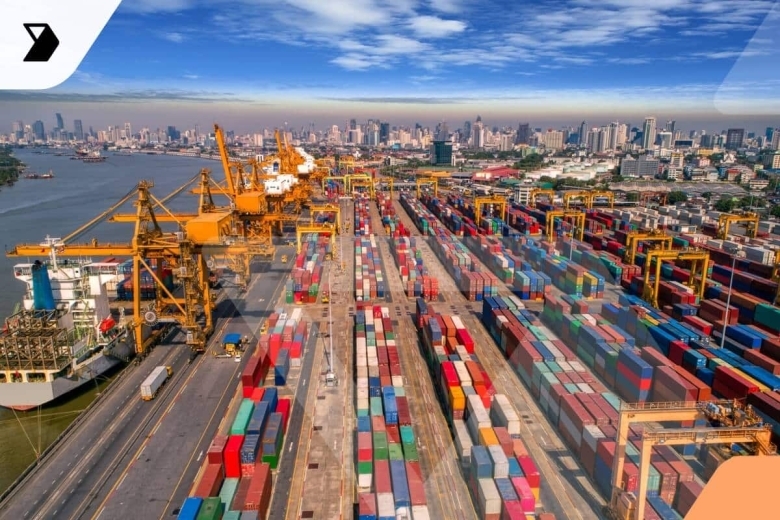
Transportation and logistics inefficiencies drain enterprise budgets by billions annually through detention fees, invoice disputes, and operational bottlenecks that cascade across supply chains. Yet most organizations approach these challenges from inside the facility fence, treating carriers and drivers as external variables to manage rather than connected partners in a shared workflow.
This single-facility perspective creates dangerous blind spots. Critical information gets lost between appointment scheduling, gate operations, yard management, and final delivery. It’s systemic disconnection.
The fundamental issue isn’t optimizing what happens inside the fence—it’s connecting all players from appointment booking through delivery. This article examines critical enterprise logistics challenges and how multiplayer collaboration platforms address root causes by starting with the carrier relationship rather than ending there.

Ready to transform your supply chain?
Increase efficiency and productivity. Say goodbye to delays, handwriting errors, and time-intensive manual data entry.
8 Critical Logistics And Transportation Challenges

Transportation and logistics challenges create a ripple effect that extends far beyond the facility fence. When drivers sit idle at gates waiting for dock assignments, detention fees pile up while carrier relationships deteriorate.
Here are 8 common transportation and logistics challenges, along with the technological solutions to them.
Detention, Demurrage, and Hidden Transportation Costs
Here’s a typical scenario: A driver arrives at the gate only to discover their dock assignment isn’t ready, the yard spotter can’t locate the trailer they’re supposed to pick up, or the guard doesn’t have updated appointment information.
Meanwhile, facility staff radio back and forth, checking dock availability and trailer locations manually. The driver idles, the detention clock ticks, and costs accumulate.
Detention fees push freight costs higher, carriers begin routing preferred customers first, and tight capacity markets mean difficult shippers get deprioritized. When carriers have limited trucks available, they choose facilities that respect driver time.
Digital solutions break this cycle by establishing a connection before arrival. PreCheck®-in capabilities via SMS allow drivers to complete gate processes from the road, while automated dock assignment systems eliminate guesswork.
Geofenced check-ins provide facilities with accurate ETAs, enabling proactive dock preparation. Most importantly, connecting carrier scheduling systems to facility operations creates visibility hours ahead of arrival, transforming chaotic gate management into an orchestrated workflow that cuts dwell time dramatically.
Truck Delivery and Scheduling Challenges
Late arrivals, missed appointments, and dock congestion transform loading docks from smooth operational zones into scenes of logistical chaos that frustrate drivers, delay shipments, and trigger costly customer dissatisfaction.
Those detention fees add up significantly. Industry estimates show that detention time can cost shippers between $50-100 per hour. Industry-wide, FMCSA estimates these charges add up to $3-5 billion annually.
The fundamental problem: facilities operate completely blind to inbound trucks until drivers appear at the gate, making proactive dock management impossible.
Extended turn times become inevitable when drivers wait for available doors, while missed appointment windows trigger expensive OTIF penalties. Customer relationships suffer when delivery promises evaporate into uncertainty.
Geofenced check-ins with real-time ETA tracking combined with dynamic dock assignment systems transform this reactive scramble into coordinated orchestration.
SMS-based driver communication eliminates the constant phone tag between drivers and dispatch, while automated assignment rules intelligently match incoming trucks to optimal dock doors based on cargo type, unloading requirements, and current facility status.
The multi-player coordination creates synchronized flow: drivers receive specific dock assignments on their mobile devices before arrival, facility operations teams see accurate ETAs for all inbound trucks, and receivers know exactly when to expect deliveries.
This transforms chaotic arrivals into predictable, coordinated operations where everyone operates from the same real-time information.
BOL Visibility and Documentation Gaps
Paper bills of lading disappear into truck cabs for weeks after delivery, creating a black hole where critical business documentation simply vanishes. While accounting departments wait desperately for signed proof of delivery, those papers sit crumpled in glove compartments or buried under coffee cups, blocking invoice processing and tying up working capital.
Meanwhile, damaged cargo arrives at facilities with zero photo evidence, making it impossible to determine whether the carrier, shipper, or receiver bears responsibility—turning every claim into a costly finger-pointing exercise.
Electronic BOL systems eliminate this documentation nightmare by capturing signatures and proof of delivery digitally at the moment of transaction. AI-powered imaging converts paper documents to structured data instantly, while timestamps and geocoordinates create tamper-proof audit trails that no one can dispute later. Photos of cargo condition become immediate evidence, settling damage claims before they escalate.
The breakthrough comes from simultaneous access: shipper, carrier, and receiver all see the same real-time documentation rather than waiting for paper to circulate through the postal system.
This transforms weeks-long billing cycles into same-day invoice processing and resolves disputes within hours instead of months.
Yard Facility Operations Bottlenecks
Picture this: yard spotters walking miles daily across sprawling facilities, hunting for specific trailers while radioing dispatch every few minutes. “Where’s that Blue Yonder trailer from this morning?” “Is Dock 12 still occupied?”
Meanwhile, production supervisors check the same trailers repeatedly because they can’t trust yesterday’s paperwork, and dock managers have no idea which trailers are actually available for immediate loading.
This manual treasure hunt happens multiple times daily at most facilities because yard management operates blind. Spotters waste hours searching for trailers that moved locations overnight. Unclear parking status forces constant radio communication that ties up both field staff and dispatch. Production schedules slip when the trailer everyone assumed was ready turns out to be missing or blocked.
Digital yard orchestration changes this completely. Real-time trailer tracking without expensive RFID infrastructure, combined with rules-based automated task assignments, eliminates the guesswork. Digital yard audits with live parking status visibility replace manual walks entirely.
Here’s the multi-player transformation: spotters, dock supervisors, and drivers all access the same real-time yard map showing exact trailer locations and current status. Coordination happens through shared visibility rather than constant radio communication or manual searches.
Carrier Relationship Strain from Operational Friction
Long wait times at facility gates, poor communication about dock readiness, and drivers forced to leave their cabs for manual check-in processes create a reputation as a “difficult shipper” that directly damages capacity access.
When carriers maintain preferred customer lists, operational friction determines who gets trucks first—and who waits until capacity becomes available.
Digital solutions transform this dynamic by starting with the driver experience rather than facility convenience. SMS-based PreCheck®-in allows drivers to complete gate processes from their phones without downloading apps, while mobile-first platforms keep drivers safely in their trucks throughout the process.
Real-time status updates eliminate uncertainty about dock readiness and expected wait times.
The multi-player approach creates a digital-analog bridge that builds facility operations around the driver relationship, not vice versa. Drivers maintain familiar paper workflows while backend systems digitize transactions automatically.
This driver-first philosophy transforms facilities from operational bottlenecks into preferred destinations, making shippers the carrier’s choice rather than a last resort.
Shipment Invoice Disputes and Payment Delays
The billing department knows the story too well: a signed proof of delivery sits in a truck cab somewhere across three states while accounting departments on both sides wait weeks to process what should be a straightforward invoice.
Missing signatures, unclear delivery timestamps, and damage claims without photographic evidence create disputes that cascade through entire payment cycles.
Billing teams regularly tie up working capital waiting for physical PODs to circulate through the postal system or driver networks. When documents finally arrive, illegible signatures and questionable timestamps trigger disputes that consume staff hours investigating what actually happened at delivery.
Digital POD systems capture signatures with timestamps and geocoordinates at the moment of delivery, creating tamper-proof audit trails that eliminate reconstruction guesswork. AI verification detects document manipulation attempts, while photo evidence of cargo condition becomes instant proof of delivery state.
Electronic signatures with device identification actually provide stronger legal standing than handwritten versions.
The transformation happens when billing departments, carrier accounting, and facility operations access identical proof simultaneously rather than waiting for paper circulation.
Disputes are resolved in hours instead of weeks, and invoice processing speeds from monthly cycles to same-day billing, dramatically improving cash flow for both shippers and carriers.
Vehicle Compliance Tracking and Regulatory Burden
The regulatory maze is suffocating logistics teams. CARB emissions tracking, TRU temperature compliance, FSMA 204 traceability requirements, and WAIRE reporting demand meticulous documentation that sits scattered across filing cabinets, email threads, and driver logbooks.
Operations managers spend entire days before audits frantically reconstructing paper trails—hunting down trailer inspection records from one system, temperature logs from another, and fuel compliance data from handwritten driver reports.
Modern platforms capture compliance data automatically at every transaction point, transforming regulatory reporting from reactive scrambling to proactive documentation.
When drivers check in via mobile devices, systems instantly verify trailer inventory, record temperature settings, and log fuel levels without manual intervention. Real-time validation ensures nothing falls through administrative cracks.
The multi-player advantage becomes crucial here: compliance data flows seamlessly from driver interactions through facility operations to corporate reporting systems.
Instead of reconstructing what happened weeks later, audit-ready documentation builds continuously through normal operations, eliminating violation risks while freeing teams to focus on value-add analysis rather than paper chase investigations.
Logistics Workforce and Resource Constraints
Guard shacks across the country have become expensive monuments to inefficiency. Facilities spend $60,000 annually per guard position while drivers idle in lines during shift changes, lunch breaks, and peak delivery windows.
Meanwhile, qualified logistics professionals who could analyze yard performance data or optimize dock scheduling instead spend their days manually entering check-in information and coordinating basic trailer movements over two-way radios.
The labor market makes these problems worse. Finding reliable security guards during peak seasons is nearly impossible, creating bottlenecks precisely when facilities need maximum throughput.
Administrative tasks consume operations managers’ time with paperwork reconciliation and manual coordination that prevents strategic planning and performance analysis.
Digital solutions flip this equation entirely. SMS-based PreCheck®-in allows drivers to complete gate processes from their phones before arrival, while automated dock assignment systems eliminate the need for manual coordination. Self-service kiosks handle check-ins during unstaffed hours, and geofenced notifications alert yard staff when specific actions are required.
The transformation goes beyond cost savings. When drivers self-serve via mobile devices and automated data flows directly into yard management systems, radio chatter disappears, and teams shift from reactive operators to proactive analysts.
PG&E implemented this approach across its facilities, eliminating guard costs while improving driver experience and facility throughput simultaneously.
How Yard Management Platforms Solve Logistics and Transportation Issues
Traditional yard management systems operate like fortresses—they track every trailer, dock assignment, and movement within facility walls while treating carriers, drivers, and external stakeholders as disconnected variables they cannot control.
This single-facility mindset creates information silos where shippers manage inbound appointments, carriers track trucks in transit, and facilities handle dock operations, but nobody sees the complete picture until problems cascade across operations.
Each stakeholder operates with partial information, making decisions based on incomplete data that often conflict with reality at other points in the supply chain.
Modern yard management platforms flip this approach. Instead of managing assets within the fence, they orchestrate relationships across the entire shipment lifecycle.
The platform connects appointment booking systems to carrier dispatch, links driver communication to facility operations, and bridges dock activity with delivery confirmation—creating a continuous flow of information that follows shipments from origin to destination.
This relationship-first approach transforms logistics from reactive firefighting into proactive coordination. When all stakeholders share real-time visibility and status updates, issues get resolved before they create detention fees, missed deliveries, or operational chaos.
Starting From the Driver Relationship, Not the Facility Fence
The fundamental breakthrough comes from recognizing that carrier connectivity is the foundation upon which everything else is built. Most yard management platforms treat drivers as external variables that show up at the gate, forcing facilities to react to arrivals rather than orchestrate them.
Platforms that start with driver experience flip this dynamic completely. When drivers can complete pre-arrival check-in via SMS, receive real-time dock assignments on mobile devices, and communicate status updates without phone calls, facilities gain the real-time tether to shipment information that legacy systems completely lack.
This connection begins at appointment scheduling and strengthens through every interaction, creating continuous visibility rather than periodic snapshots.
The carrier-first approach differentiates connected facility platforms in two critical ways: unlike legacy yard management systems that only track what happens inside the fence, these platforms orchestrate the entire arrival-to-departure process.
Unlike visibility platforms that provide passive tracking, they enable workflow integration where driver actions automatically trigger facility responses.
The Digital-Analog Bridge in Practice
The most successful yard logistics platforms meet stakeholders exactly where they are. Instead of demanding technology adoption across diverse user populations, effective platforms create seamless digital intelligence from familiar analog processes.
Drivers continue using paper BOLs and manual workflows they’ve perfected over decades, yet every transaction simultaneously creates a digital twin capturing timestamps, locations, and documentation.
A driver texting “arrived at dock 5” triggers automated facility notifications, dock assignments, and ETA updates across multiple systems—without the driver downloading apps or learning new procedures.
The result transforms logistics operations without transformation fatigue. Facility managers receive instant alerts about trailer locations while drivers never leave familiar workflows. Billing departments process invoices from digital BOLs while carriers maintain existing paper-based procedures.
Rather than forcing stakeholders to adapt to technology, the platform adapts to stakeholder preferences—creating comprehensive digital intelligence from organic analog interactions.
How Vector Transforms Logistics Operations Through Connected Facility Platforms
Vector’s approach embodies the multi-player collaboration philosophy that defines next-generation logistics operations.
Rather than managing assets within facility walls, Vector digitizes the entire shipment lifecycle by connecting shippers, carriers, and receivers from appointment scheduling through final delivery.
- Electronic BOL with instant POD access — collapsing billing cycles from weeks to minutes through real-time document capture
- AI-powered OCR imaging — converting unstructured shipping documents to structured data without manual entry or transcription
- Digital check-in via Fast Pass — enabling pre-arrival processing and guardless facilities through SMS-based driver communication
- Real-time yard orchestration — providing complete trailer tracking and visibility without costly RFID hardware investments
- Seamless integration — connecting with existing TMS/WMS/ERP systems via API/EDI/email while preserving current workflows
Learn more about how Vector can eliminate those painful logistical issues that legacy yard management platforms propagate.
Published on October 07, 2021
Last updated on May 18, 2026
Subscribe to stay updated on Vector and logistics trends
" " indicates required fields

Continue reading

Ready to transform your supply chain?
Increase efficiency and productivity. Say goodbye to delays, handwriting errors, and time-intensive manual data entry.