
How to Eliminate CTPAT Warehouse Audit Failures and Transform Compliance Into an Advantage
7 min read

Key takeaways
- Manual yard operations create compliance blind spots—missing access logs, incomplete chain of custody records, and outdated security protocols that turn routine CTPAT audits into operational disasters costing $40-50K+ in detention and remediation.
- Failed CTPAT audits trigger increased inspection rates that force carriers to route preferred capacity elsewhere, while your team diverts executive time from strategic work to compliance firefighting and documentation remediation.
- Real-time tracking, digital documentation, and automated gate operations eliminate the manual audit burden while creating tamper-evident audit trails that satisfy CBP auditors without operational overhead.
- Strategic facilities transform CTPAT compliance into operational advantage by automating security protocols, reducing guard labor costs, and strengthening carrier relationships through faster check-ins and streamlined documentation workflows.
The 11 AM CBP auditor arrival catches you mid-manual yard walk, clipboard in hand, trying to locate trailers that should have been documented hours ago. Your team scrambles to produce cargo integrity records while the auditor waits, exposing critical gaps in your C-TPAT warehouse and yard compliance documentation.
The real issue here is that manual yard audits create dangerous blind spots—missing access logs, incomplete chain of custody records, and outdated security protocols that turn routine compliance checks into operational disasters.
A systematic checklist approach transforms this vulnerability into audit-ready confidence.
Ready to transform your supply chain?
Increase efficiency and productivity. Say goodbye to delays, handwriting errors, and time-intensive manual data entry.
Your Complete CTPAT Audit Checklist: 7 Essential Compliance Points
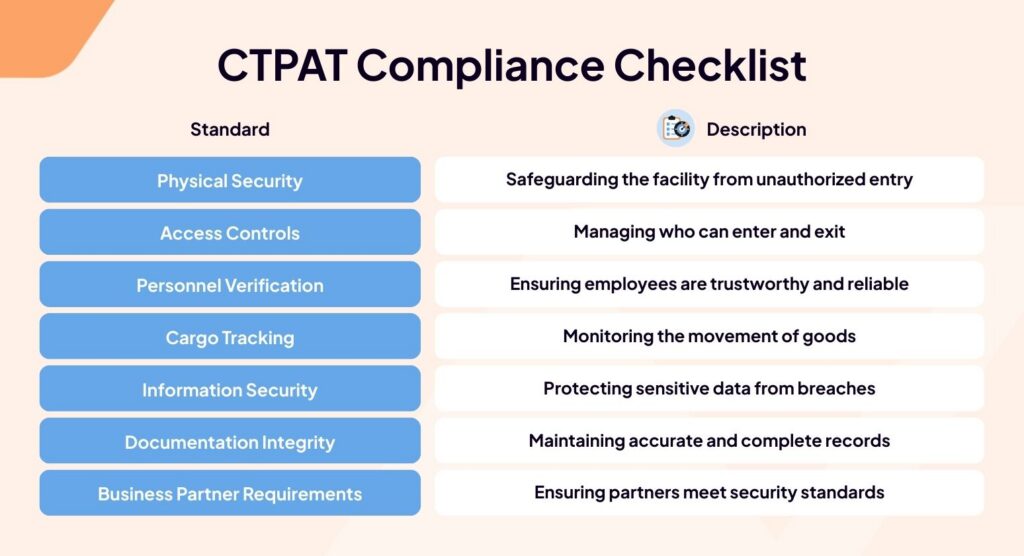
Executive summary: CTPAT auditors evaluate facilities against seven interconnected security standards—physical security, access controls, personnel verification, cargo tracking, information security, documentation integrity, and business partner requirements—that form the foundation of supply chain integrity.
CTPAT auditors evaluate facilities against seven interconnected security standards that form the foundation of supply chain integrity.
Rather than treating these as isolated requirements, successful facilities integrate these compliance points into unified operational workflows that satisfy auditor expectations while strengthening day-to-day logistics performance.
Physical Security and Yard Visibility Requirements
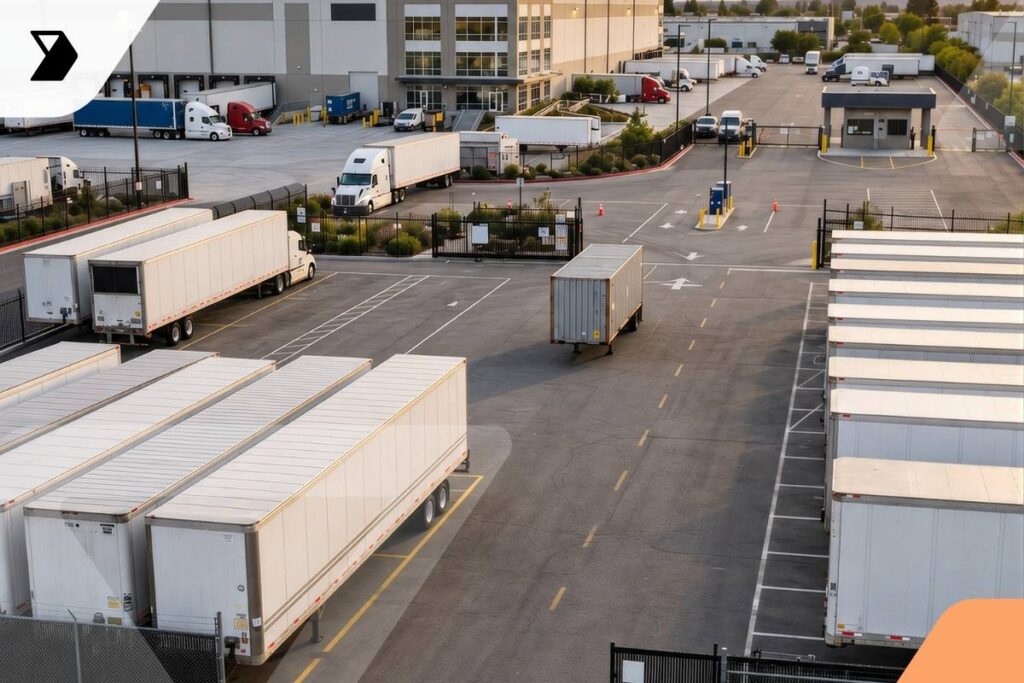
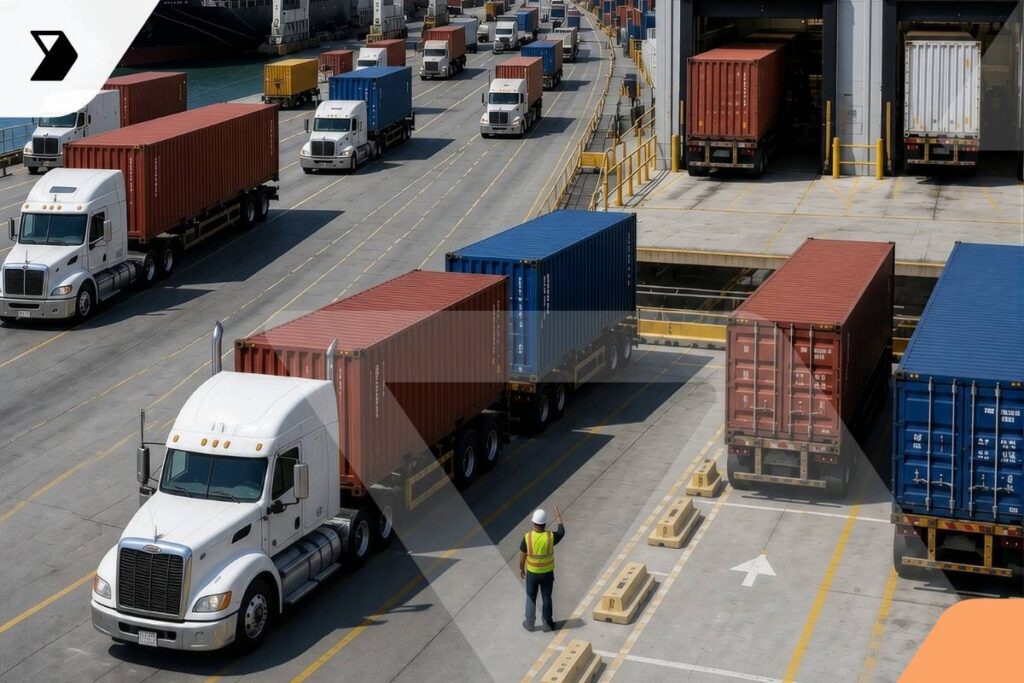
C-TPAT auditors expect facilities to maintain real-time visibility into every trailer’s location, movement history, and current status throughout the yard. This means documented proof of perimeter security controls, continuous asset tracking capabilities, and immediate access to trailer location data during inspections.
Modern facilities achieve this through digital tracking systems that create automatic audit trails while eliminating the operational blind spots that manual processes inevitably create.
Documentation and Chain of Custody Standards
CTPAT auditors scrutinize documentation integrity throughout the shipment lifecycle, looking for complete chain of custody records that prove cargo security from origin to destination.
Facilities are implementing digital documentation systems like Vector’s eBOL platform to create legally binding electronic records with timestamps, geocoordinates, and AI-powered authenticity verification.
This approach eliminates the paper trail vulnerabilities and document manipulation risks that consistently trigger audit findings.
Access Controls and Gate Operations Compliance
CTPAT auditors expect facilities to demonstrate consistent access controls that verify driver identity and authorization without creating delays that damage carrier relationships.
Modern facilities are implementing multi-modal check-in systems—combining SMS pre-arrival verification, self-service kiosks, and automated gate operations—to maintain security standards while reducing driver wait times.
This approach proves that enhanced security protocols can actually reduce operational costs by eliminating guard stations while strengthening compliance documentation through digital verification trails.
Personnel Security and Driver Verification
CTPAT auditors verify that facilities maintain documented personnel security protocols, including background check procedures for employees with yard access, driver verification systems at entry points, and training records for security-related procedures.
The operational challenge lies in implementing thorough verification processes that don’t create bottlenecks at gates. Successful facilities balance security requirements with driver efficiency through automated identity verification systems and pre-screening processes that validate credentials without extended delays.
Cargo Security and Real-Time Tracking
CTPAT auditors expect continuous cargo monitoring that extends beyond facility perimeters. Modern facilities achieve this through real-time trailer tracking systems that eliminate expensive RFID infrastructure while maintaining complete asset visibility.
Vector’s approach connects carriers, facilities, and shippers, creating the multi-player collaboration auditors look for—establishing documented custody chains from pickup through delivery that satisfy CTPAT’s cargo security requirements without operational disruption.
Information Security for Digital Documentation
CTPAT auditors examine your facility’s digital security protocols to ensure sensitive cargo and shipment data remains protected throughout the documentation process. They verify that electronic systems maintain proper access controls, user authentication, and data encryption standards.
Secure digital workflows actually reduce administrative overhead by eliminating paper-based vulnerabilities that auditors flag—from missing documents to unauthorized access to physical files. Modern documentation platforms create tamper-evident audit trails while streamlining daily operations.
Business Partner Requirements and Carrier Vetting
CTPAT compliance creates a network effect that extends beyond your facility walls. Auditors evaluate your carrier partnerships, supplier relationships, and subcontractor security protocols as extensions of your own compliance posture.
Companies with robust partner vetting programs gain competitive advantage in securing preferred carrier capacity—carriers prioritize facilities that streamline their own CTPAT obligations through collaborative compliance programs.
Why Failed CTPAT Audits Create Detention, Delays, and Documentation Disasters
Executive summary: Failed CTPAT audits trigger increased inspection rates that force carriers to route preferred capacity elsewhere, while your team diverts executive time from strategic initiatives to compliance remediation.
When CTPAT audits reveal compliance gaps, the operational consequences ripple far beyond the audit room. Failed audits trigger increased inspection rates that create carrier delays, forcing drivers into extended wait times that strain already fragile capacity relationships.
The administrative burden multiplies as your team scrambles to remediate documentation gaps, implement corrective measures, and prepare for re-validation—all while maintaining daily operations.
These compliance failures directly impact the relationships transportation and logistics directors depend on most. Carriers facing repeated delays at your facilities begin routing preferred capacity elsewhere, leaving you with higher rates and limited scheduling flexibility.
Meanwhile, the freight budget absorbs detention charges, expedited shipping costs, and the hidden expense of executive time diverted from strategic initiatives to compliance firefighting. What starts as a documentation problem quickly becomes a competitive disadvantage that affects every shipment moving through your network.
How to Use Your CTPAT Audit Checklist to Reduce Operational Costs
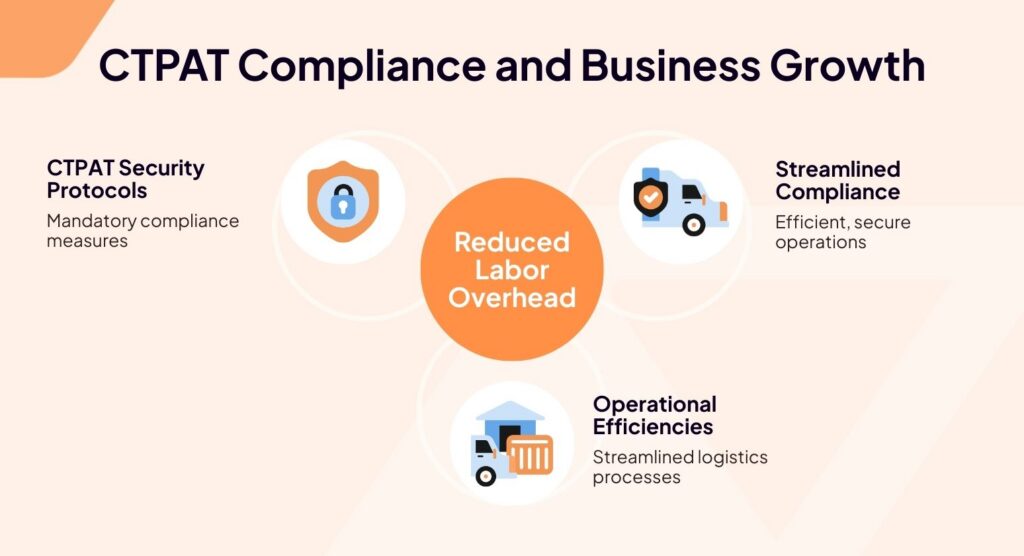
Executive summary: Strategic logistics directors leverage mandatory CTPAT security protocols to eliminate inefficiencies, reduce labor overhead, and strengthen carrier relationships—creating measurable ROI from compliance investments.
Rather than viewing security protocols solely as a cost burden, strategic logistics directors leverage these mandatory processes to eliminate inefficiencies, reduce labor overhead, and strengthen carrier relationships—creating measurable ROI from compliance investments.
Automate Gate Operations and Security Checks
CTPAT compliance doesn’t require paperwork and manual processes—it requires verifiable processes. Automated gate systems create comprehensive digital audit trails that satisfy auditor requirements for access control documentation without the administrative overhead of manual security checks.
For instance, Vector’s experience helping facilities like FedEx implement guardless operations across 900 locations proves automation can enhance security while reducing labor costs.
Create Digital Audit Trails Without Manual Overhead
Smart workflow design transforms compliance documentation from administrative burden into automatic byproduct. When spotters photograph trailers in new locations, those images trigger system updates that create timestamped audit trails without manual data entry.
This “definition of done” philosophy ensures every operational action generates the documentation CTPAT auditors require while eliminating duplicate paperwork tasks.
Maintain Carrier Relationships During Security Implementation
Smart C-TPAT implementation actually enhances carrier relationships by reducing driver wait times through automated check-ins and eliminating paperwork delays.
When security measures streamline operations rather than create bottlenecks, carriers view compliant facilities as preferred destinations, strengthening your shipper-of-choice status while meeting audit requirements.
How to Prepare Your Facilities for CTPAT Application and Validation
Executive summary: Smart facilities build audit readiness into daily workflows by implementing real-time tracking, secure documentation systems, integrated access controls, shift-based training, and modern automation solutions that eliminate manual processes.
Smart facilities build audit readiness into daily workflows, creating documentation systems that satisfy regulators while streamlining operations. Proper preparation eliminates the common pitfalls that derail applications and create expensive remediation cycles.
CTPAT compliance requires real-time tracking capabilities, secure documentation systems, and integrated access controls that connect with existing WMS and TMS platforms. Modern solutions should eliminate manual processes while strengthening audit trails.
Implement CTPAT security protocols through shift-based micro-training sessions during natural operational breaks. Cross-train personnel on multiple security functions to maintain coverage while avoiding workflow interruptions during peak operational periods.
Lastly, adopt modern solutions to compliance. Modern documentation systems eliminate redundant data entry by capturing compliance records automatically during normal operations. Digital workflows create audit trails while reducing administrative tasks, transforming documentation from overhead into operational advantage.
How to Transform C-TPAT Compliance from Manual Process to Automated Excellence
Vector’s digital yard management platform eliminates the manual audit burden while strengthening C-TPAT compliance documentation through comprehensive automation. The platform transforms compliance from reactive paperwork into proactive operational intelligence:
- Real-time trailer tracking without RFID tags provides instant visibility into every asset’s location and movement history for comprehensive audit trails
- AI-powered OCR imaging with timestamps and geocoordinate stamps creates legally binding digital documentation that proves cargo integrity throughout the shipment lifecycle
- Digital yard audits reduce manual yard walks from 4x daily to 1x daily while maintaining complete compliance visibility
- Automated task assignments and rules-based workflows ensure consistent security protocols are followed and documented for every yard operation
- Integration with existing WMS, TMS, and ERP systems centralizes all compliance data into a single, auditor-ready digital record
Discover how Vector’s connected facility platform can streamline your compliance operations while reducing administrative overhead.
CTPAT Audit Checklist FAQ
What is the CTPAT audit?
A CTPAT audit is a comprehensive validation process where U.S. Customs and Border Protection (CBP) officials conduct on-site evaluations of your company’s security procedures, documentation systems, and physical infrastructure. CBP auditors verify that your actual security practices align with the commitments outlined in your CTPAT application and security profile.
What is the 7 point check for CTPAT?
CTPAT compliance centers on seven critical security areas that work together to protect the entire supply chain.
- Physical security covers perimeter controls and facility access
- Access controls manage who enters your facility and when.
- Personnel security involves background checks and training protocols
- Cargo security tracks shipments throughout transit
- Information technology security protects digital systems and data
- Documentation integrity ensures accurate, verifiable records
- Business partner requirements extend security standards to carriers and suppliers, creating an interconnected security network that strengthens each link in your supply chain.
What should be included in an audit checklist?
Every effective CTPAT audit checklist must include:
- Security protocol documentation with clear procedures and compliance records
- Access control systems that verify and log all facility entry
- Personnel verification processes including background checks and training records
- Cargo tracking capabilities that provide real-time visibility throughout the supply chain
- IT security measures protecting digital systems and data
- Comprehensive business partner vetting processes that extend security standards across your entire logistics network.
What are CTPAT requirements?
CTPAT requirements establish a comprehensive security framework that covers seven core areas: physical security and access controls, personnel security and background verification, cargo security and container integrity, information technology security, procedural security for documentation and record-keeping, education and training programs, and partner security requirements.
These standards create verifiable security protocols that CBP recognizes with expedited processing benefits, reduced inspections, and priority lane access for compliant companies.
Published on March 26, 2021
Last updated on July 31, 2026
Subscribe to stay updated on Vector and logistics trends
" " indicates required fields

Continue reading


Ready to transform your supply chain?
Increase efficiency and productivity. Say goodbye to delays, handwriting errors, and time-intensive manual data entry.